9 steps for successful automation


The proven STIWA project management process

Our proven process for your success


The STIWA automation process ensures that your project is implemented on time and within budget. With our proven project structure, we work in partnership with you to reliably achieve schedules, milestones, and goals.
 

Contact our automation specialists here for your automation project


Progress you can measure
 

PROVEN METHODS

Recognize risks at an early stage and avoid them. Experience gained from hundreds of projects flows into your solution.

STANDARDIZATION

Standardization will almost automatically reduce the expenditure of time, errors, and thus production costs since well-engineered solutions are used.

SCALABLE SOLUTIONS

Start small, think big. From semi-automated entry-level solutions to fully automated high-performance production – our industrialization concept adapts flexibly to your product ramp-up and can be expanded in stages.

UNIFORM APPROACH WORLDWIDE

The same process and the same quality at all STIWA locations. Flexibly adaptable to your specific requirements.

The 9 steps in detail


Step 1
Demand analysis

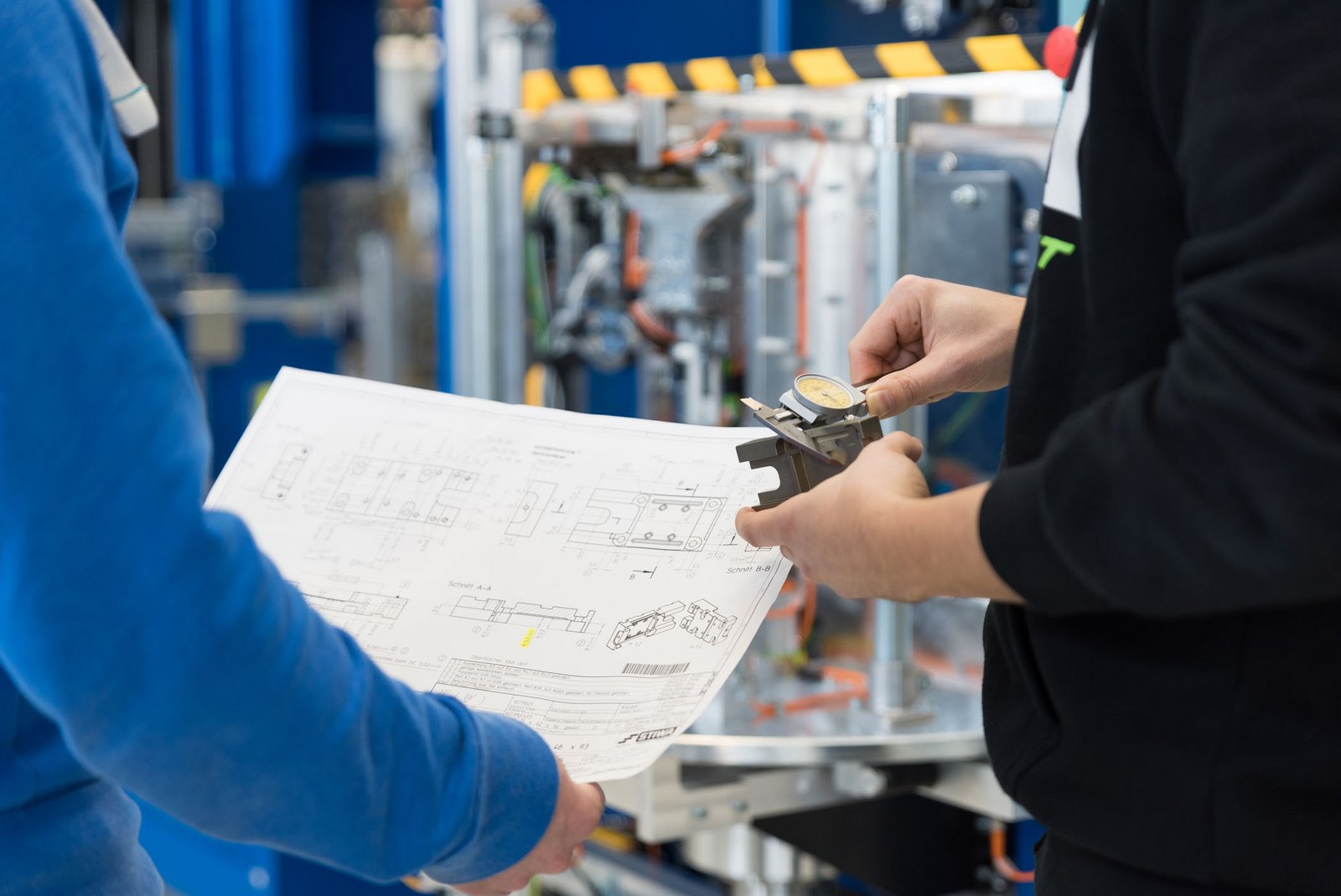
Understanding your situation. Set goals. Plan your budget.
 

  • Analysis of your current production processes
  • Identification of the best automation options
  • Support with process development and design (in advance if required)
  • Construction of prototypes and testing of sample products
  • Support with automation-oriented product development
  • Development of initial rough concepts
  • Calculation of ROI and presentation of financing options
  • Development of a roadmap for step-by-step implementation
Step 2
Concept development

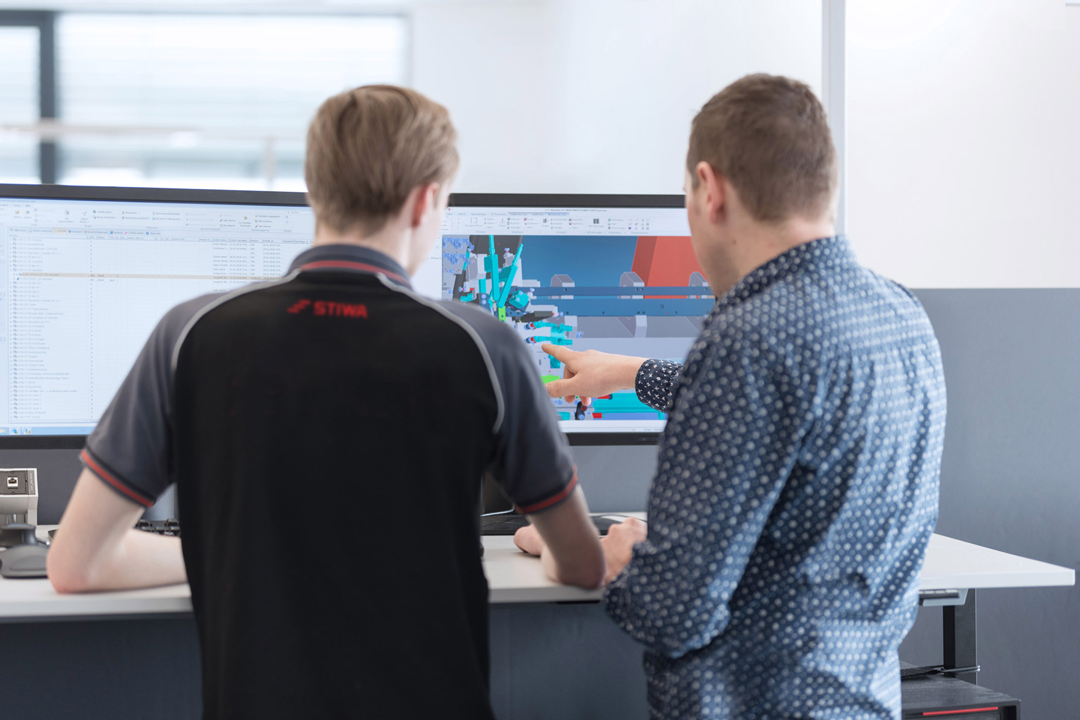
Development of technical solution. Perform tests.
 

  • Detailed definition of requirements
  • Design of future-proof solutions
  • Proof of concept for critical processes to validate the concept
  • Simulation of production processes using digital twins, comprehensive if required
  • Integration into your existing system

Step 3
Detailed planning

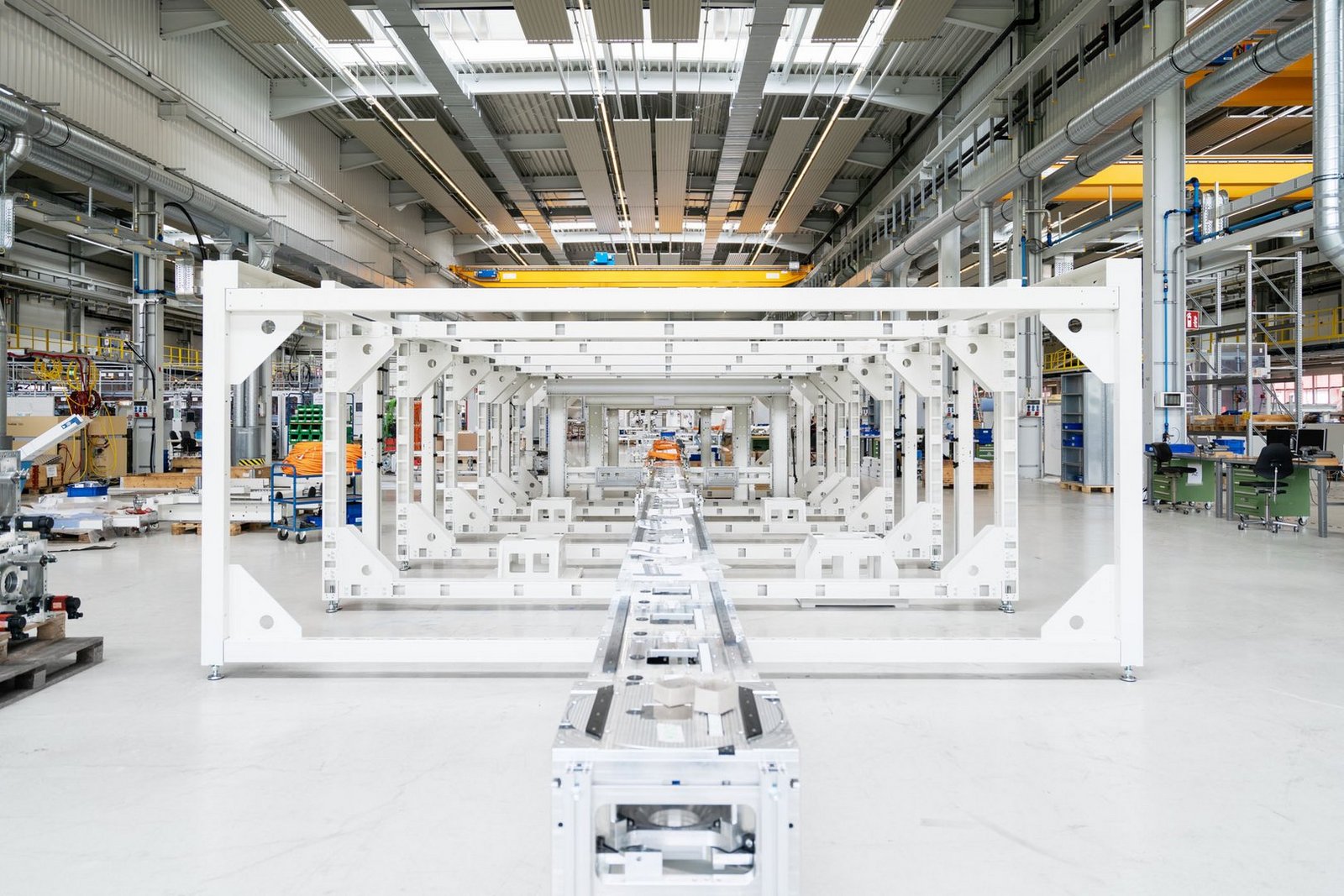
Finalize detailed concepts. Prepare project.
 

  • Project planning with risk management
  • Contract drafting
  • Use of proven standard modules and components
  • Transparency and flexibility in change management
  • Planning of the data and software concept, including interfaces


Step 4
Installation and start-up

Install the machine. Testing. Acceptance.
 

  • Systematic implementation
  • Testing of all functions
  • Data collection already at station level
  • Collection and continuous evaluation of all relevant data for optimal start-up
  • Factory Acceptance Test (FAT) / Pre-acceptance at the STIWA plant
  • Preparation for on-site installation


Step 5
Installation and start

Installation at your site. Training the team. Start successfully.
 

  • Installation and start-up on site
  • Ensuring process quality and machine performance for a smooth production start
  • Site Acceptance Test (SAT) – final acceptance at your site
  • Training opportunities in all relevant areas – from operators to production managers
  • Handover to your operations team

Long-term success assurance


Step 6
Monitoring and optimization

Measure performance. Optimize processes. Increase success.
 

  • Live dashboard monitoring of all key performance indicators
  • Warning systems in case of problems
  • Continuous performance improvement
  • Digital knowledge management
  • Regular performance reviews
  • Optimization of process performance (availability, cycle time) and quality


Step 7
Extension and diversification

Scale solutions. Expand capacity.


  • Transfer of proven solutions to other lines
  • Integration of new functions and updates
  • Expansion of the capacity as needed
  • Integration of future technologies


Step 8
Partnership

Innovate together. Achieve long-term success.
 

  • Cooperation beyond the project
  • Development of joint new solutions
  • Exchange of experience and best practice
  • Support through a global network


Step 9
Future-proofness

Protect investments. Remain competitive.
 

  • Protection against technical obsolescence
  • Emergency plans for business continuity
  • Integration of new technologies
  • Sustainability and energy efficiency
  • Systematic use of analysis tools for process and machine optimization


Your guarantee of success

The STIWA advantage

  • Reliably meet time and cost schedules thanks to proven project structure
  • Personal support by technical experienced project experts
  • Reduction of time effort, errors and costs due to standardization and proven reference solutions
  • Methodological process with ISO certification
  • Long-term partnership for sustainable success
  • Continuous innovation due to systematic improvement
  • Optimization with award-winning STIWA shop floor software

Measurable results

Economically

  • Competitive production costs
  • Avoidance of project risks
  • High productivity and quality
  • Sustainable competitive advantages

Operationally 

  • Industry-leading performance
  • Reliable processes
  • Continuous performance improvement
  • Successful employee development

Strategically

  • Technological leadership
  • Future-proof solutions
  • Reliable partnerships
  • Organizational strength

Get started today

Our proven STIWA 9-step process turns complex automation projects into predictable, successful projects. You not only gain technical excellence, but also secure real competitive advantages – especially in high-wage locations.

Your next steps

  1. Arrange a free consultation
  2. Identify automation potentials
  3. Develop an individual roadmap
  4. Successfully automate